
How to Find a Therapist in Vancouver: Your Complete 2026 Guide
Thousands of Vancouverites search for mental health support every month. This complete 2026 guide walks you through credentials, costs, insurance, and how to find a great therapist in BC's biggest city.
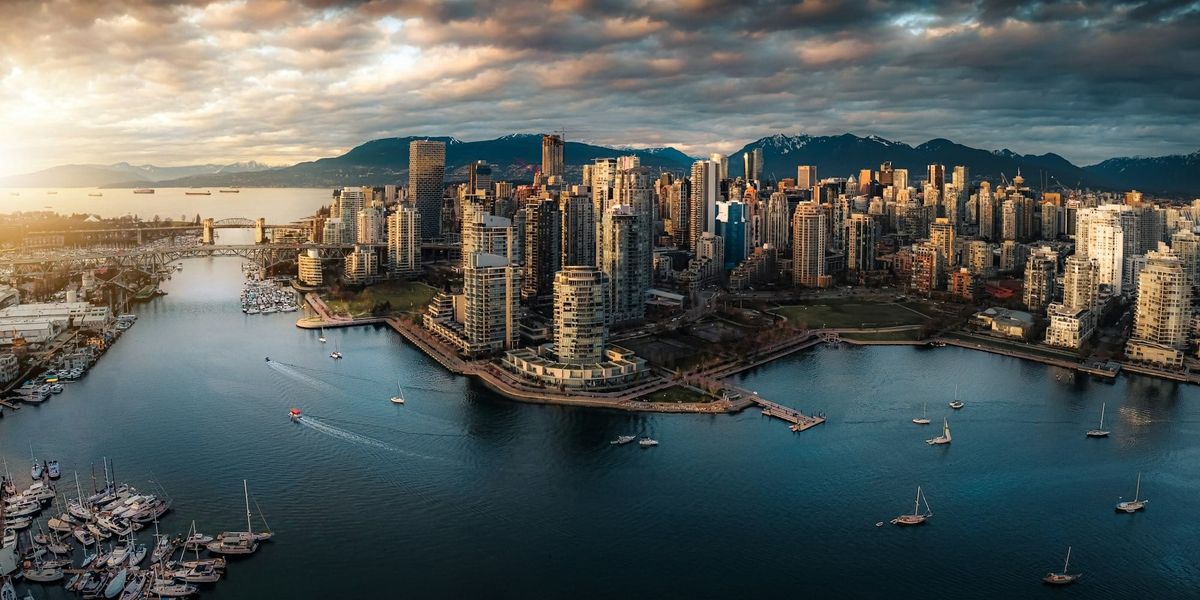
Vancouver is one of the most beautiful cities in Canada. It is also one of the most expensive, one of the most densely populated, and one of the most stressed. If you have been thinking about finding a therapist, you are not alone. Thousands of Vancouverites search for mental health support every month. This guide will help you understand the landscape, cut through the confusion, and find the right therapist for you.
Whether you are dealing with anxiety, navigating a major life change, or simply wanting to build better coping skills, Vancouver has a strong network of qualified professionals. The challenge is knowing where to look and what to expect. This guide covers credentials, costs, insurance, and exactly how to start your search.
Why Vancouver Residents Are Seeking Mental Health Support
The pressures of living in Vancouver are real and well-documented. Housing costs rank among the highest in the world. Commute times are long. And the lingering effects of the COVID-19 pandemic have left many people feeling disconnected, anxious, or simply worn down.
The Canadian Mental Health Association (CMHA) BC Division reports that one in five Canadians experiences a mental health problem or illness in any given year. A 2023 Statistics Canada survey found that 35 percent of British Columbia residents reported symptoms of anxiety or depression in the past year. That is more than one in three people.
One in five Canadians experiences a mental health problem or illness in any given year. In British Columbia, more than one in three residents reported symptoms of anxiety or depression in 2023. — Statistics Canada
Asking for help is a sign of self-awareness, not weakness. More Vancouverites are starting to see it that way, and the city's therapy community has grown to meet that demand.
Understanding Therapist Credentials in British Columbia
British Columbia has a unique credentialing system. Before you book a session, it helps to know who you might be working with. The titles therapist and counsellor are not legally protected in BC, which means almost anyone can use them. That is why checking for formal registration matters.
Here are the main regulated designations you will encounter in Vancouver.
Registered Psychologist (RPsych)
Psychologists must hold a doctoral degree and be registered with the College of Psychologists of British Columbia (CPBC). They can provide formal psychological assessments, diagnoses, and therapy. Sessions typically run from $200 to $350 per hour. If you need a formal diagnosis or a comprehensive psychological assessment, a psychologist is who you want. You can learn more about what assessments involve in our guide to psychological assessments in Canada.
Registered Clinical Counsellor (RCC)
The Registered Clinical Counsellor (RCC) credential is largely unique to British Columbia. RCCs must complete a master's degree in counselling or a related field and register with the BC Association of Clinical Counsellors (BCACC). They provide a wide range of therapy services, including individual, couples, and family therapy. Session fees typically range from $120 to $200. For most people's therapy goals, an RCC is an excellent and more affordable option than a registered psychologist.
Registered Social Worker (RSW)
Social workers registered with the BC College of Social Workers (BCCASW) can also provide therapy and counselling. Many work in community settings or offer sliding-scale fees for clients with limited income. They are often found in hospital, school, and non-profit settings.
Canadian Certified Counsellor (CCC)
Certified by the Canadian Counselling and Psychotherapy Association (CCPA), CCCs work across Canada and practise alongside RCCs in BC. The training requirements are similar, and many therapists hold both designations.
One practical tip: always ask for a therapist's registration number and verify it through the relevant regulatory body's online directory. This protects you and confirms you are working with a qualified professional.
How Much Does Therapy Cost in Vancouver?
Vancouver is one of the priciest therapy markets in Canada. Here is what you can realistically expect to pay for a 50-minute session.
Registered Psychologists typically charge between $200 and $350 per session. Registered Clinical Counsellors range from $120 to $200. Registered Social Workers generally fall between $100 and $180.
Some therapists offer sliding-scale fees based on your income. These spots are limited and often have wait lists, but they are worth asking about. When you reach out to a therapist for the first time, it is perfectly reasonable to ask whether they offer reduced rates.
University training clinics are another cost-saving option. Programs at the University of British Columbia (UBC) and Simon Fraser University (SFU) sometimes offer reduced-rate sessions with supervised graduate students. These can be excellent for clients with straightforward concerns.
Does BC Health Cover Therapy?
This is the most common question people ask, and the answer is mostly no. BC's Medical Services Plan (MSP) does not cover private therapy or counselling. There are community mental health programs funded by the province, but they typically require a doctor's referral and come with significant wait times.
The good news is that most Canadians have more coverage options than they realize. Our full guide to mental health coverage in Canada covers the topic in detail, but here is a quick summary of your main options.
Employee Assistance Programs (EAPs)
If your employer offers an Employee Assistance Program (EAP), you likely have access to free short-term counselling. Most EAP programs cover six to twelve sessions per year. EAP services are confidential and do not affect your employment record. This is the most underused benefit in Canada, and checking whether you have one is the first thing to do.
Extended Health Benefits
Many private insurance plans cover a portion of therapy fees. Coverage varies widely but commonly ranges from $500 to $2,500 per year. Check whether your plan covers RCCs specifically, as many plans have been updated to include this credential. If your plan only lists psychologists, it may be worth contacting your insurer directly to ask about exceptions.
Non-Insured Health Benefits (NIHB)
Indigenous Canadians may access therapy funding through the federal Non-Insured Health Benefits (NIHB) program administered by Health Canada. This program covers a set number of sessions per year and can be used with practitioners who are registered with the program.
Sliding-Scale and Community Options
Several community organizations in Vancouver offer low-cost or free counselling for people who do not have private insurance. The Canadian Mental Health Association BC offers services across the region. Immigrant and newcomer services also provide support in multiple languages. These options require a bit more effort to find, but they exist and they help.
What Are You Looking for Help With?
Getting clear on what you want to work through will help you narrow your search. Different therapists specialize in different areas, and finding someone whose focus matches your needs makes a real difference in outcomes.
Anxiety and Stress
Anxiety is the most common reason people seek therapy in Canada. Vancouver therapists use evidence-based approaches like cognitive behavioural therapy (CBT) and acceptance and commitment therapy (ACT) to help clients manage anxious thinking and avoidance patterns. If anxiety is what brings you here, you have plenty of qualified options.
Depression
Persistent low mood, withdrawal, and feelings of hopelessness are signs that professional support could help. Therapists trained in behavioural activation, CBT, or interpersonal therapy are a good fit for depression. If you are unsure whether what you are feeling is depression, a therapist can help you make sense of it in your first few sessions.
Relationship and Couples Issues
Many Vancouver therapists offer couples counselling. Whether you are navigating conflict, communication breakdowns, or a major life transition, a trained couples therapist can provide structure and tools. Look for practitioners who specifically list couples or relationship therapy as a specialization, rather than those who offer it as an add-on.
Trauma
Trauma-focused approaches are increasingly available in Vancouver. Eye Movement Desensitization and Reprocessing (EMDR) and somatic therapy are two well-researched modalities that many Vancouver therapists now offer. If you have experienced past trauma, ask about these approaches specifically when you make your initial inquiry.
Cultural and Identity-Related Concerns
Vancouver is one of the most multicultural cities in Canada. A large proportion of the population speaks Cantonese, Mandarin, Punjabi, Tagalog, or another language at home. A growing number of therapists in Vancouver specialize in working with clients from specific cultural backgrounds. If receiving care in your first language matters to you, make that part of your search criteria from the start.
LGBTQ+ Support
Vancouver has a strong and affirming mental health community for Two-Spirit, lesbian, gay, bisexual, transgender, queer, and other LGBTQ+ individuals. Most therapists in the city explicitly list whether they offer affirming care. Filtering for this when you search will save you the discomfort of asking directly in a first session.
How to Find a Therapist in Vancouver
Vancouver's therapy community is large and fairly well-organized. There is no single perfect method, but these steps will point you in the right direction.
Start with a therapist directory. Theralist's Vancouver therapist directory allows you to filter by specialty, therapy approach, insurance accepted, languages spoken, and whether a therapist offers virtual or in-person sessions. This kind of targeted search can save you hours of back-and-forth.
Check regulatory registries once you have found someone you are interested in. The CPBC and BCACC both maintain searchable public directories of registered professionals. Verifying a registration number only takes a minute and gives you peace of mind.
Ask your family doctor. If you have a GP in Vancouver, they can sometimes refer you to community mental health services or recommend practitioners they know. This is especially useful if publicly funded services might work for your situation.
Reach out directly. Once you have a shortlist of two or three therapists, call or email them. Most offer a free 15-minute consultation. Use this time to ask about their approach, availability, and fees. Pay attention to how they communicate. Warmth and clarity in that first exchange often reflects how sessions will feel.
Online vs. In-Person Therapy in Vancouver
Vancouver's geography adds a practical layer to this decision. If you live in North Vancouver, West Vancouver, the Tri-Cities, or South Surrey, commuting to a therapist downtown can itself become a source of stress. Virtual therapy has become a popular and effective alternative.
Research consistently shows that online therapy produces outcomes comparable to in-person therapy for most concerns, including anxiety, depression, and stress. The exception is some trauma-focused modalities, where in-person presence may be preferred by both the client and the therapist.
The flexibility of virtual sessions also broadens your options significantly. You can work with any therapist registered in BC, not just those near your neighbourhood. For people with busy schedules, mobility considerations, or who simply prefer the comfort of their own home, virtual therapy is worth considering. Our overview of therapy trends in Canada explores how virtual care has reshaped access to mental health support nationally.
Finding Culturally Responsive Care in Vancouver
Vancouver is home to one of the largest Cantonese and Mandarin-speaking communities in North America, alongside significant Punjabi, Tagalog, Korean, and Japanese-speaking populations. If receiving therapy in your first language matters to you, it absolutely should be part of your search criteria.
Language is just one dimension of cultural responsiveness. A therapist who shares your cultural background or has specific training in cross-cultural care may better understand the family dynamics, community expectations, and identity pressures that shape your experience. When searching on Theralist, you can filter by language and look for therapists who list cultural competency in their profiles.
If You Are New to Vancouver
Moving to a new city is its own kind of stress. If you have recently arrived in Vancouver and are looking for mental health support, a few local resources are worth knowing about.
Foundry BC centres offer free mental health and substance use support for young people ages 12 to 24. Walk-ins are welcome and no referral is needed. There are several locations in Metro Vancouver, including downtown Vancouver and New Westminster.
Vancouver Coastal Health and Fraser Health both operate community mental health teams. These are publicly funded and accessed through a referral from your family doctor. Wait times for non-urgent services can be several months, but they are a viable option for those without private coverage.
The Immigrant Services Society of BC (ISSofBC) offers mental health support specifically for newcomers and refugees, often in multiple languages. If you or someone you know is navigating settlement stress, this organization is an excellent starting point.
Making the Most of Therapy
Finding a therapist is the beginning, not the finish line. Here are a few things that tend to make therapy more effective once you get started.
Show up honestly. Therapy works when you bring your real concerns into the room. You do not need to have everything figured out before your first session. Confusion and uncertainty are a perfectly valid place to start.
Give it a few sessions before you evaluate. The first session is largely about getting to know each other and establishing goals. Most people find that therapy starts to feel genuinely productive around sessions three to five.
It is okay to switch therapists. If you try someone and the relationship does not feel right after four to six sessions, that is useful information. A good therapeutic fit matters enormously. Our article on why finding the right therapist matters goes into more detail on how to assess whether a match is working.
Frequently Asked Questions
Does MSP cover therapy in BC?
No. BC's Medical Services Plan (MSP) does not cover private therapy or counselling sessions. Some publicly funded community mental health services exist, but they require a referral and often involve significant wait times.
How long will I wait for a therapist in Vancouver?
For publicly funded services, wait times can range from several weeks to several months. For private therapy, most practitioners can offer an intake session within one to two weeks. Using a directory that shows current availability will speed up your search considerably.
What is the difference between a psychologist and a counsellor in BC?
Psychologists hold doctoral degrees and can provide psychological assessments and diagnoses. Registered Clinical Counsellors hold master's degrees and focus primarily on therapy. Both are regulated professionals. For most therapy goals, an RCC is an excellent and more accessible choice.
Can I use my work benefits for therapy in Vancouver?
Most likely, yes. Check whether your extended health plan covers psychologists, RCCs, or RSWs. Many plans now cover RCCs specifically. Your EAP may also cover several free sessions per year. Checking both before you book can meaningfully reduce your out-of-pocket costs.
What if I need help right now?
If you are in crisis, call or text 9-8-8, Canada's Suicide Crisis Helpline, available 24 hours a day, seven days a week. You can also walk in to Vancouver General Hospital's emergency department or call 211 BC to be connected with local mental health resources.
Looking for a Therapist in Another City?
If you're outside this city, we have complete guides for finding a therapist in Toronto, Calgary, Edmonton, and Ottawa too.
Start Your Search Today
Finding the right therapist in Vancouver takes some effort, but it is absolutely doable. The city has no shortage of skilled, compassionate professionals ready to support you. The right fit is out there.
A practical place to start is Theralist's directory of therapists in Vancouver. You can filter by specialty, language, therapy approach, and whether virtual or in-person sessions are available. Browsing a few profiles can help you get a clearer sense of what resonates before you make contact.
You do not need to be in crisis to reach out. Therapy works best when you start before things feel unbearable. Taking one small step today is enough.



Comments ()